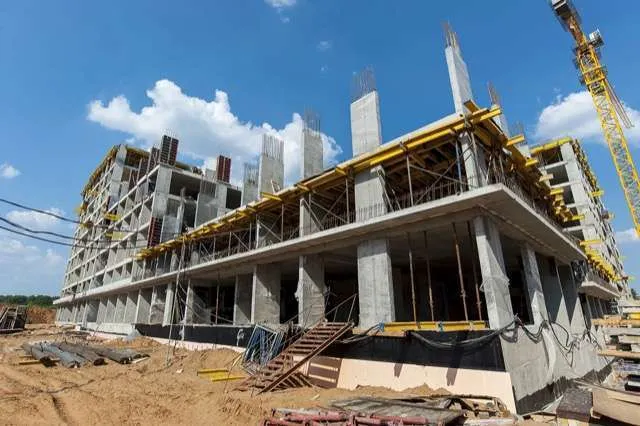
Blog > What to do if your construction site has been broken into?
What to do if your construction site has been broken into?
Site Security
Written by Daniel MeeajanePublished: 17th October 2025Last update: 5th October 2026
Heading to work only to find your construction site or development has been targeted by intruders is inevitably very stressful. When your construction site has been broken into, machinery stolen, or the site vandalised, it inevitably means costly delays.
Your actions after a break-in will determine whether you can ensure your work teams can return to work as quickly as possible without compromising the likelihood of a successful insurance claim or impacting the potential for the police to recover stolen items.
Construction break-ins also vary in severity, from issues that are relatively minor and don’t cause much downtime, to serious break-ins resulting in the theft of business-critical tools, materials and vehicles, squatters, vandalism and fly-tipping.
We’ve put together a checklist to follow if you’ve found yourself a victim of a construction site break-in, while, as always, advising you to contact us if you need urgent advice about what to do next.
Contents
Key takeaways
Report the incident to the police immediately and obtain a crime reference number before moving anything on site.
Record what has been taken or damaged and preserve any CCTV footage before it is overwritten.
Review how entry was gained and close that gap before work resumes, since sites are frequently targeted again.
Reacting After a Construction Site Break-in: Quick Facts
Construction site managers who’ve discovered a break-in can have a complex challenge ahead, because they’re obligated to ensure they deal with any open access points that lead to safety hazards like excavations that have been left exposed and pose a risk to members of the public.
Reacting fast matters, as the quicker you alert the police and put an action plan in place, the sooner you’ll be able to return to work, avoiding longer delays to your projects and impacts on your project costs.
Implementing site security to avoid further trespassing is essential, protecting passersby from inadvertently entering a high-risk construction site, and preventing any repeat break-ins.
Insurers may require evidence that you had sufficient security measures in place before the break-in, and may also expect proof that you have put new controls in place to prevent a recurrence.
What to do if your construction site has been broken into?
1. Report the Incident to the Police
Step one is always to call the police to report the break-in, even if you’re not sure if there has been any serious damage or high-value thefts. You’ll need a crime number to file a valid insurance claim.
It’s also possible that an intruder is still on the premises, which is why we’d strongly advise against entering the site to analyse the extent of the break-in, which could put you in harm’s way.
We’d suggest you inform your security provider promptly, if you have one, and notify all personnel to ensure that nobody enters the construction site without being aware that there has been a break-in.
The police typically take construction site break-ins seriously, partly due to the potential risks to public safety, and partly because the scale and nature of these crimes often point towards organised criminal activity.
It is best to stay away from the areas affected. Picking items up, opening doors, or disarming alarms could impede the police’s ability to establish how intruders have gained entry, collect fingerprints, and ensure they have a chain of evidence they can use in any future prosecutions.
2. Record Everything That Is Missing or Damaged
Thinking clearly amid the chaos of a break-in isn’t easy, but you’ll need to know what is missing or whether anything has been moved or tampered with. That can include:
Machinery and vehicles that may have been vandalised or had fuel stolen
Equipment and tools that are missing – including those that contain sharp edges or that require specialist training to use
Fencing, doors, walls and retaining walls that appear to have been vandalised, cut or damaged
You’ll need as much information as possible to share with the police, but you’ll also need to perform risk assessments and checks before allowing anybody on site, or for any contractors to resume work.
For example, if safety netting has been damaged around scaffolding, it must be repaired or replaced before work can resume to protect the safety of workers.
3. Ensure the Construction Site is Now Secure
One of the biggest issues we come across is that, in the chaos of a break-in, construction sites must be safeguarded urgently.
As we’ve mentioned, that isn’t solely to prevent another break-in, it’s essential to make sure nobody can wander onto the site unaware or be exposed to severe safety risks where protective equipment has been moved or damaged.
The Clearway construction site security teams can advise on the best option, including immediately available defences, and longer-term protection to deter thieves, such as:
Concrete barrier blocks to prevent vehicular entry
Security patrols, manned guarding, mobile patrols and K9 guard teams
For instance, you might opt to organise rapidly deployable security guards to remain on site until you have had the opportunity to arrange other security measures, or install temporary anti-climb fencing with perimeter intrusion detection alarms.
The hours straight after a break-in matter more than people expect. Securing the site, preserving evidence and getting an accurate record of what has gone will shape both the police response and the insurance claim.
Get a quote
Speak to the experts
Get an assessment
Get a quote
4. Investigate the Security Breach and Remove Vulnerabilities
Unfortunately, once a construction site has been targeted, the chances of a repeat break-in become significantly higher because the same intruder might return to steal more items, or an opportunist criminal might realise they’re unlikely to be caught.
Pre-emptive security, such as surveillance and guarding, as outlined above, are potential solutions and can be put in place quickly to ensure you’re not taking a chance that a gap in the boundary line or a ‘blank spot’ that your CCTV doesn’t cover will be exploited once again.
In every instance, we’d suggest a full, professional risk evaluation, which can determine how and why the break-in has occurred, and pick up on any issues within your current security set-up that need to be addressed as a matter of urgency.
Implementing tighter security and better access controls will significantly reduce your risk of another break-in, demonstrate that you’re taking all necessary steps to protect staff and contractors from criminal activity, and show that your site is no longer an easy target.
Daniel Meeajane is Business Development Director at Clearway Fire and Security, bringing strong commercial expertise alongside a detailed understanding of fire protection systems and industry standards.
Having contributed to a number of major projects and delivered successful outcomes, Daniel uses his knowledge and experience to drive awareness of effective fire protection solutions across a wide range of environments. His approach combines relationship-led business development with a clear understanding of technical compliance, operational requirements, and customer risk.
Daniel has a strong understanding of BS 5839-1, recognising the importance of compliant fire detection and alarm system design, installation, commissioning, and maintenance. He also keeps pace with the latest developments in fire technology, ensuring clients benefit from informed guidance, up-to-date solutions, and best practice across every stage of delivery.
It looks like you’ve submitted your information in the wrong section of our website. No problem—if you’re looking to apply for a job, you can do so by viewing our current vacancies. Click below to find and apply for roles through the proper channel.