Blog > What Are Dome Cameras and How Do They Work?
What Are Dome Cameras and How Do They Work?
Site Security
Written by Daniel MeeajanePublished: 9th February 2026Last update: 27th June 2026
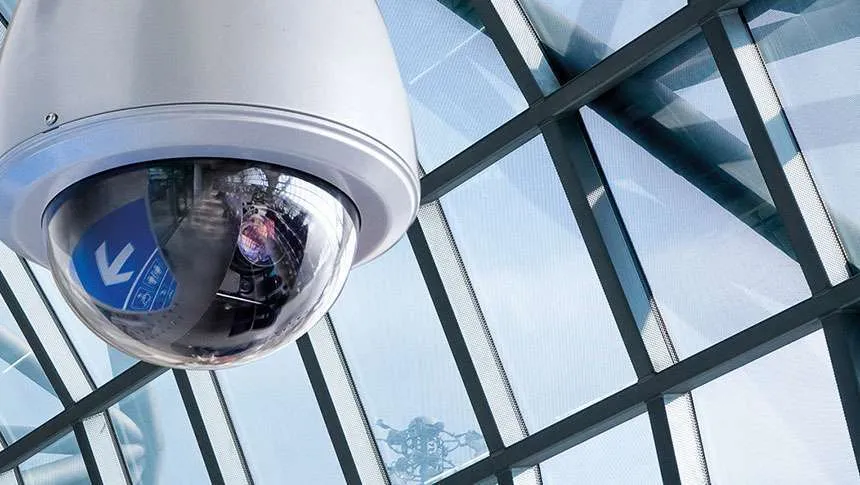
Dome cameras are fixed CCTV units with a dome-shaped housing that protects the camera mechanism and lens. They provide high-resolution video, wide-angle coverage, and tamper-resistant protection, and may include PTZ control and infrared night vision for continuous indoor or outdoor surveillance, including overnight monitoring.
Widely used in retail spaces, office buildings, and throughout the hospitality sector, dome cameras are discreet and compact but provide advanced oversight of spaces, whether for outdoor areas, communal lobbies and reception desks, or busy workplaces.
This guide collates all you need to know about the various types of dome cameras available, the considerations when choosing where and how to install dome CCTV systems, and the features that make these surveillance devices so popular.
Contents
Key takeaways
Dome cameras feature smooth, round casings that protect the lens from tampering and make it difficult for intruders to determine the camera’s field of view.
Businesses can choose between fixed dome cameras, infrared-equipped models for night vision, or PTZ systems that allow remote zooming to assess potential security incidents.
Dome cameras provide wider angle coverage than conventional cameras and are commonly deployed in retail spaces, office buildings, lobbies, and hospitality sectors.
What you need to know about Dome CCTV Cameras
Dome cameras are subtle and inobtrusive, with smooth, round casings that make it hard, if not impossible, for criminals or vandals to intercept the feed or damage the camera lens.
Each business or site may have different requirements and can select between fixed dome cameras, surveillance with in-built infrared capabilities, or PTZ cameras that can be used to zoom in to determine whether an event is a live emergency.
Dome cameras can cover a wider angle than conventional cameras, providing peace of mind that all areas and corners are being monitored.
What Are the Benefits of a Dome Camera?
The round, dome-like shape of each camera unit ensures CCTV coverage of 360 degrees, rather than a limited field of view. There are, though, multiple variants and technologies that can be incorporated into dome cameras, depending on your risks and priorities.
One main advantage is that the camera is less noticeable or intrusive than a bullet camera or another more visible device, while enhancing assurance that a site or business is secure. The benefits of dome cameras include:
Simplified installation, with straightforward maintenance and cleaning.
Excellent surveillance coverage, with wide-angle lenses and adjustable camera angles that can be adapted to the size of the space or around specific points like entrances that require comprehensive coverage.
Weatherproof casings that ensure outdoor dome cameras aren’t vulnerable to rain, wind or other conditions that can limit the effectiveness of alternative CCTV cameras.
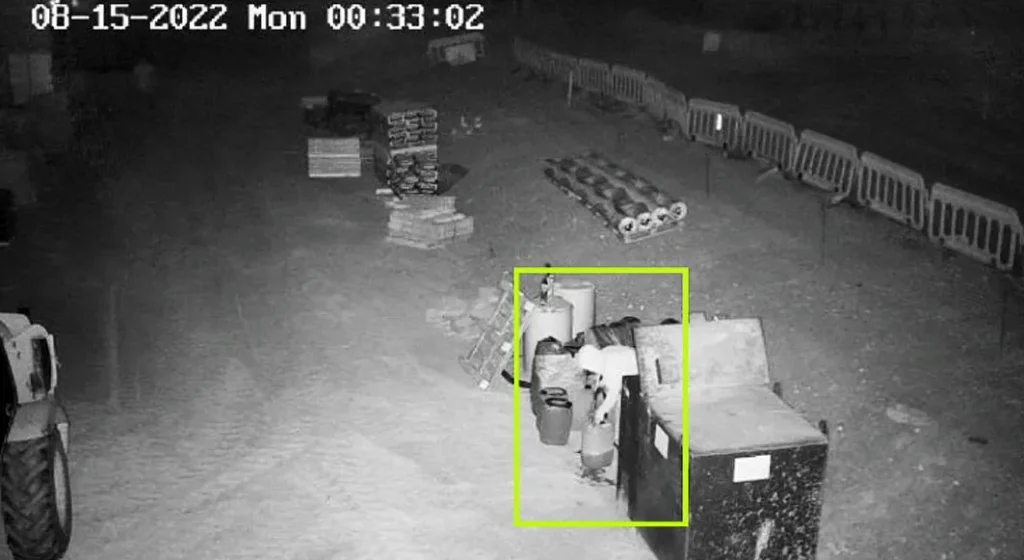
Monitoring in all light conditions, with infrared lenses that can pick up on motion or activity during low light or overnight. [1]
Tamper resistance, owing to the dome’s design and mounting, which provides few opportunities for thieves or intruders to disrupt the camera feed or use force to remove casings.
A major advantage for schools, offices and shops lies in the versatility of dome cameras, as well as their visual impact, with a low-profile design that provides reliable surveillance without drawing attention or distracting site users or customers.
However, it is important to be mindful that CCTV rules remain applicable, and that dome cameras should always be installed with the appropriate controls over data privacy.
Where Are Dome Cameras Most Often Used?
Dome cameras have numerous applications, such as within workplaces, schools, offices and public buildings:
Discreet installations above school entrances and reception desks.
Fittings in corridors and communal lobbies for commercial buildings.
Wide-angle surveillance for shops and retail parks.
Ceiling-mounted dome cameras at height to mitigate vandalism risks.
“The functions and tech built into dome cameras may be just as vital as the casing and discretion of your surveillance, which is why it’s important to review the risks you need to control and how your CCTV will integrate with other security measures.”
We may, for instance, suggest a vandal-resistant rated dome camera for a public space or transport hub, or a weather-proof rated dome camera for outdoor use, which will ensure your CCTV is fit for the intended purpose.”
Research supports this, finding that choosing the right sensors and lenses, and positioning dome cameras correctly, is the best way to ensure accurate monitoring. [2]
Which type of dome camera do you need for your business?
Choosing the right security setup can be complex. This guidance helps you assess your requirements and identify the most suitable dome camera for your site.
We’ve summarised the main categories of dome cameras below to highlight the contrasts and their respective benefits.
Type of Dome Camera
Key Features
Indoor dome CCTV
Discreet, low-profile casings to provide cost-efficient, effective security.
Outdoor dome cameras
Come with weatherproof casings to secure spaces like car parks and perimeters.
Infrared dome CCTV
Infrared cameras provide continuous surveillance in the dark or in low-light areas.
IP dome surveillance
Use networked digital connections to provide fast, remotely accessible coverage.
Many modern dome CCTV cameras are available as Internet Protocol (IP) CCTV units, which means the camera is connected to the business or organisation’s IP address and offers considerable benefits in reliability, image clarity, and alert speed.
However, older CCTV networks or those with lower assessed risk levels may consider more basic analogue dome cameras, which rely on mains power and local cables.
Dome cameras offer businesses a discreet surveillance solution that combines wide-angle coverage with tamper-resistant protection, making them particularly effective in retail and hospitality environments where both security and aesthetics matter.
Get a quote
Speak to the experts
Get an assessment
Get a quote
What Is the Difference Between a Fixed Dome Camera and a PTZ System?
PTZ provides operators with the flexibility to remotely control the camera to get a better look at an area of activity than they’d be able to with a fixed dome camera.
Responders can then determine whether an alert is a false alarm or a genuine emergency, or liaise with security teams to advise on exactly where an incident is occurring.
These dome cameras can be manually operated, with the ability to pan, tilt, or zoom in as required, ensuring broader surveillance coverage. They can also be used in conjunction with other security devices, like alarms, to determine the appropriate response protocol.
Other dome cameras can be installed with a fixed field of view, which allows for a more compact casing but limits the camera to viewing only one angle.
This can be sufficient for spaces with limited size, such as shops, offices, or hallways, but it isn’t generally recommended for businesses with higher risks or that depend on CCTV verification to investigate potential emergencies.
Where should I Install Dome Cameras on My Premises?
Our advice is to schedule an independent, professional risk appraisal if you’re considering installing a new CCTV system, or replacing older cameras with updated, agile upgrades – because the best options might vary considerably between two sites or businesses.
Clearway’s experienced CCTV installers and technicians can work through the relevant decision-making steps with you and offer advice around:
The number of dome cameras you may require to provide comprehensive coverage of the site, perimeter or space in question.
How best to meet your priorities in terms of workforce, asset or security protection, without using disruptive or obvious surveillance that may be less desirable in settings such as hospitality businesses.
Access requirements, whether you need anytime access via a remote device to tap into live feeds, will have active security personnel on the ground, or you want to optimise security during closure periods.
We can also offer suggestions on regulatory and health and safety compliance, meeting any specific terms or conditions imposed by your insurance provider, and how to select a CCTV installation that is compatible with and suitable for the power supply, internet connectivity, and other security assets already in place.
Frequently Asked Questions
What Is the Benefit of Fitting Dome Cameras Over Other Types of CCTV?
Dome cameras are widely used and offer a balance of discretion and tamper-resistance, along with wide-angle lenses, to ensure operators can see all movements and activities across the area being monitored.
Because the lens is contained within the dome-shaped case, the cameras are incredibly difficult to remove or damage, and a ceiling-mounted dome is less noticeable than many alternatives.
Other options, like bullet cameras, do, though, have their own benefits, which is why it’s advisable to consult an independent consultant if you’re unsure.
Can I Install Dome Cameras Outside to Protect a Car Park?
Yes, you can. Although dome cameras are popular in public buildings and office spaces, and you may have seen them used only in internal settings, outdoor dome cameras are certainly available.
They incorporate IP-rated casings that prevent water ingress and ensure that rain, dampness, humidity, and moisture can’t affect the camera’s functionality.
Are There Any Drawbacks to Dome CCTV Cameras?
Potentially yes, because if you’re looking for a highly visible, robust deterrent that makes it impossible to overlook the fact that live recording is in place, the discreet size and shape of a dome camera might not be the optimal choice for your premises.
Another pitfall is that fixed dome cameras cannot be manually zoomed in or tilted to get a clear view, which is why PTZ-enabled and other advanced cameras are more popular.
How Can I Ensure Dome Cameras Don’t Make Customers Feel Wary?
Although CCTV is commonly used as a deterrent, this isn’t always ideal. If you want the assurance of reliable supervision without disturbing the ambience of your setting, a dome camera is a well-suited option.
Units can be installed in most places, whether indoors or out, on the wall or ceiling, and can be designed with a recessed installation to maximise discretion.
Written by Daniel Meeajane
Business Development Director, Clearway Fire and Security
Daniel Meeajane is Business Development Director at Clearway Fire and Security, bringing strong commercial expertise alongside a detailed understanding of fire protection systems and industry standards.
Having contributed to a number of major projects and delivered successful outcomes, Daniel uses his knowledge and experience to drive awareness of effective fire protection solutions across a wide range of environments. His approach combines relationship-led business development with a clear understanding of technical compliance, operational requirements, and customer risk.
Daniel has a strong understanding of BS 5839-1, recognising the importance of compliant fire detection and alarm system design, installation, commissioning, and maintenance. He also keeps pace with the latest developments in fire technology, ensuring clients benefit from informed guidance, up-to-date solutions, and best practice across every stage of delivery.
CCTV cameras provide the best possible protection for businesses, properties, construction sites and compounds – but do they work without electricity? CCTV...
It looks like you’ve submitted your information in the wrong section of our website. No problem—if you’re looking to apply for a job, you can do so by viewing our current vacancies. Click below to find and apply for roles through the proper channel.